

Adapted From Chapter 5 of Equipped, “Biblical Foundations: Stewardship As Worship And Witness”
Why Facility Care Is Holy Work, Not Just Administrative Overhead
When people talk about facility stewardship, they usually reach for philosophical language: it’s “good to do,” it “makes sense,” it’s “the responsible thing.” All of that is true. And all of it falls short.
At its core, facility stewardship is not primarily a philosophy. It’s a theology. It’s more about what we believe about God and how we respond to Him than it is about systems, processes, or maintenance strategies. It’s a reflection of our beliefs about the Creator, His church, and our role as caretakers of what He has entrusted to us.
Stewardship Begins With What God Has Entrusted to Us
Scripture starts this conversation in the garden. God gave Adam a clear mandate: tend the garden, work it, guard it, care for what God had created and entrusted to him. God didn’t need Adam’s help to keep Eden beautiful. He chose to include him in the work anyway. From that moment, stewardship became part of humanity’s divine calling.
The buildings we worship in, disciple others in, and serve our communities from are not ours.
They’re His.
And He has entrusted them to us.
Faithfulness Starts With What Is Already in Your Hand
There’s a second, more unexpected picture in Exodus 4, when God asks Moses a simple question: “What is that in your hand?” Moses is standing there with nothing but a shepherd’s staff, convinced he’s inadequate for the calling in front of him. God doesn’t hand him something new. He asks Moses to look again at what he’s already holding.
Facility stewards do the same thing every day. It’s easy to focus on what we don’t have: budget, staff, vendors, reserve funds, leadership support. The lesson from Exodus is to embrace what’s already in your hand, and to trust that faithfulness with the ordinary tools you already have is the starting point, not a consolation prize.
God Cares About the Details of His House
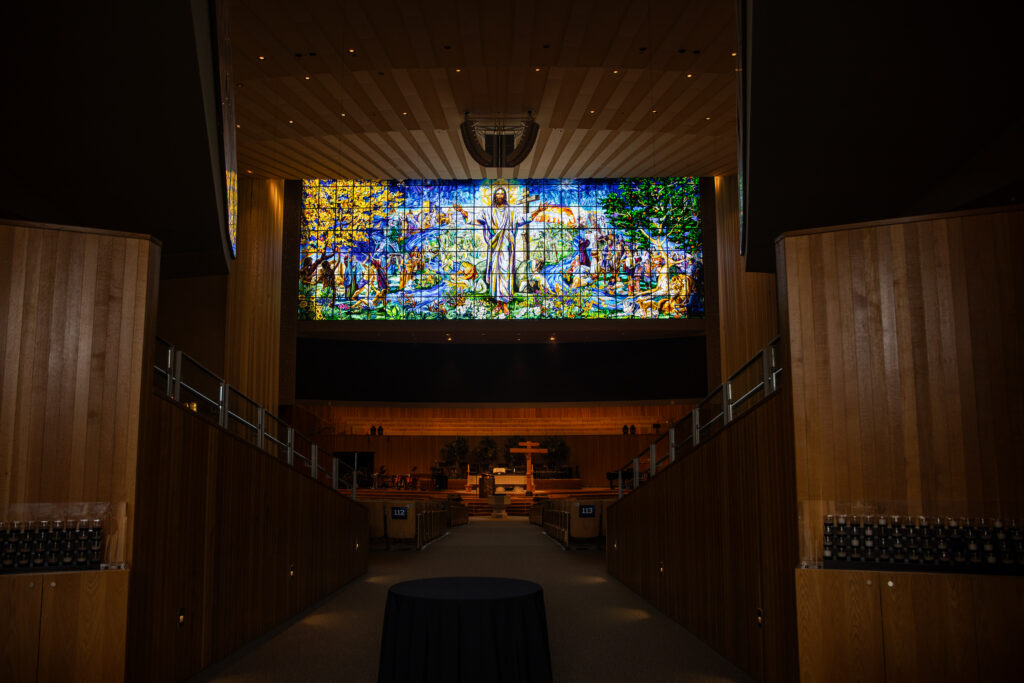
In Numbers 3, God assigns the Kohathites and the Merarites, clans of the Levites, responsibility for the tabernacle down to the tent pegs and ropes. It’s worth sitting with that detail. The first facility stewards mentioned in Scripture weren’t an afterthought. They were the holiest of holy priests, given explicit, detailed instructions for the care of God’s house. Later, in 2 Kings 12, King Joash discovers the temple has fallen into disrepair and commands that offerings be used to make the repairs immediately. God has never treated the physical condition of His house as a side issue.
Faithful Stewardship Means Acting While We Wait
Then there’s the parable of the talents in Matthew 25. A man goes on a long journey and entrusts his resources to his servants while he’s away. Two invest what they’ve been given. One buries it out of fear and is called “wicked” and “lazy” for it.
Notice the words: entrusted, and while he was gone. We are not entitled to our ministry facilities. They’ve been entrusted to us. And God is not standing over our shoulder watching every decision; He expects us to act the part of faithful stewards while He’s away.
Ordinary Maintenance Can Become an Act of Worship
Colossians 3:17 tells us that “whatever you do, whether in word or deed,” we’re to do it in the name of the Lord Jesus. That includes how we care for the physical spaces entrusted to our management. When we view facility maintenance through that lens, it transforms routine tasks. Cleaning becomes an offering. Preventive maintenance becomes discipleship. Energy efficiency becomes creation care.
Deferred Maintenance Reveals What We Value
Here’s the harder truth underneath all of this: deferred maintenance isn’t just a budget issue. It’s a heart issue. When we continually put off the care of our facilities and knowingly let them deteriorate, we’re telling a story about what we value. Would we treat our own homes this way? Would we invite guests into spaces with broken lights, stained carpet, unsafe stairwells? When we neglect what God has entrusted to us, we aren’t stewarding. We’re squandering. That’s not philosophical irresponsibility. It’s theological disobedience.
A Different Question for Facility Stewards
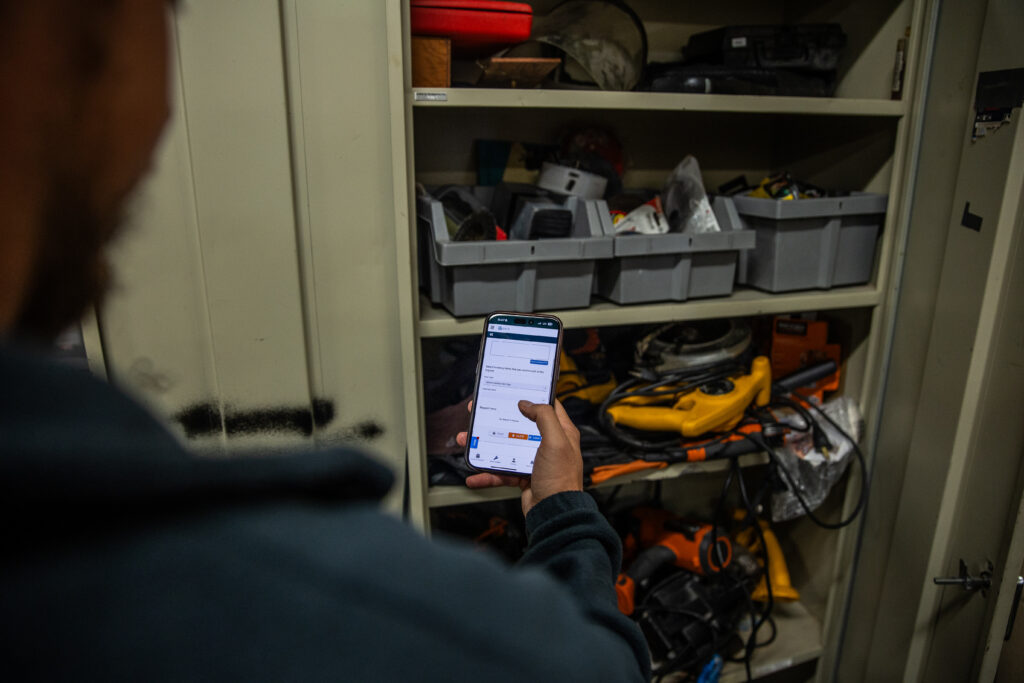
So the next time you walk through your building, don’t just ask, “Is everything working?” Ask, “Are we honoring God with how we care for this space?” That single question changes how we see a leaky roof, a failing HVAC system, or a worn-out carpet. These aren’t simply line items on a maintenance budget. They’re opportunities to faithfully care for what God has placed in our hands.
When we maintain our facilities with diligence, we create spaces where people can worship, grow, serve, and encounter the love of Christ. Facility stewardship may look ordinary, but when we do it faithfully, it becomes an act of worship and a tangible witness to what we value.