
Adapted from Chapter 6 of Equipped, “The Anatomy of a Stewardship Reformation,” and Chapter 21, “Your Role in the Reformation”
How Churches Solving the Same Problems Together Are Fueling a Stewardship Reformation
On a Tuesday morning, a pastor we’ll call Michael Wang made a phone call that would eventually impact hundreds of churches across his region. He was calling another local pastor, Jennifer Walsh, because he’d heard she had navigated a facility crisis similar to the one his church was facing.
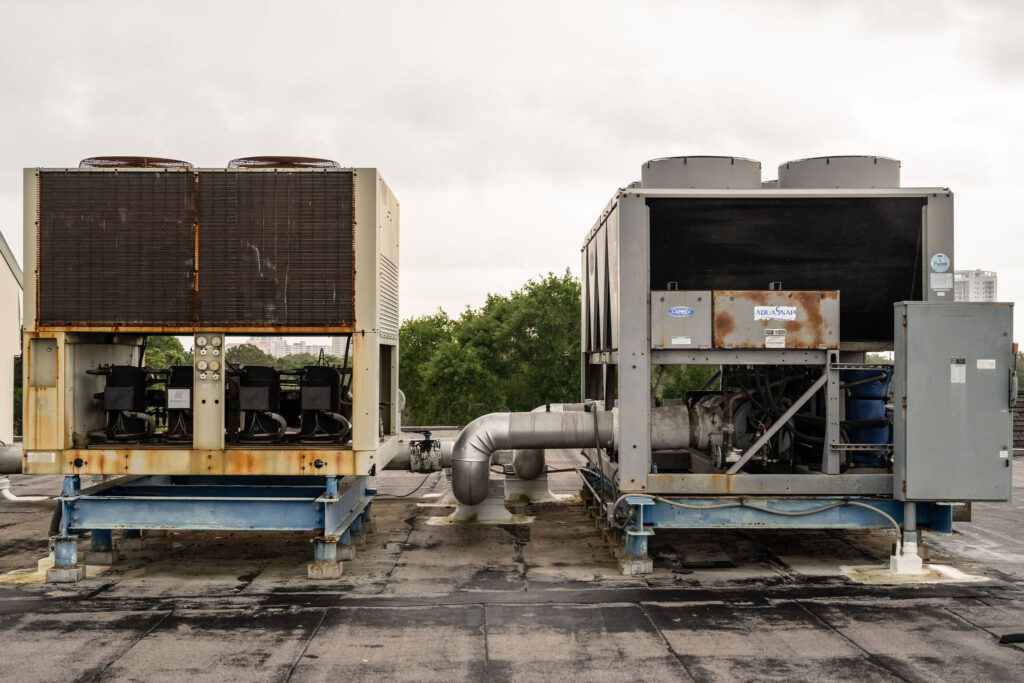
“Jennifer, I hate to bother you, but I’m desperate,” Michael began. “Our HVAC system just died, and the replacement estimate is $47,000. I heard you dealt with something similar last year. How did you manage it without killing your budget?”
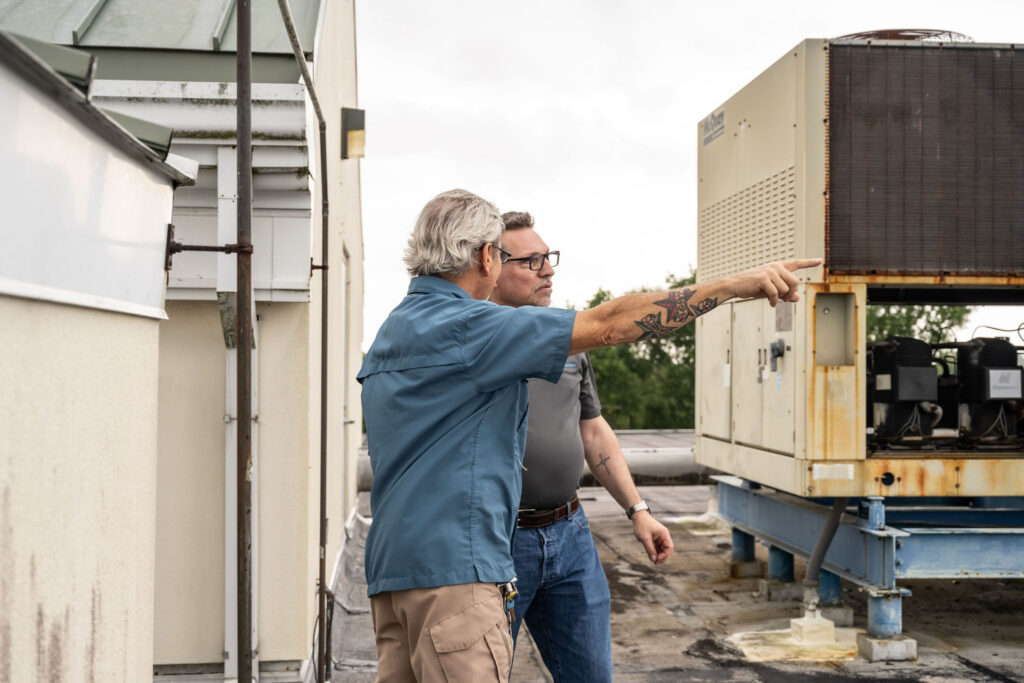
What followed was a two-hour conversation that covered far more than HVAC systems. Jennifer shared how her church had shifted from reactive facility management to proactive stewardship, built relationships with contractors who understood church budgets, and created systems that prevented most crises before they happened.
“You know what,” Jennifer said as the conversation wound down, “this is too important to be shared one church at a time. What if we got a few other pastors together who are dealing with similar issues?”
From One Phone Call to a Stewardship Movement
Six weeks later, twelve pastors gathered in a conference room for the first meeting of what they’d call the Facility Stewardship Learning Network. They came expecting to swap vendor recommendations. They left having experienced something more powerful: the birth of a movement.
“For the first time, I didn’t feel alone in this struggle,” Michael reflected later. Two years after that first phone call, the network includes 127 churches across four states. They share contractors, purchase supplies in bulk, train each other’s volunteers, and have collectively saved over $2.3 million through collaborative stewardship.
What happened in that conference room illustrates something true about reformational change in general: it rarely begins with a grand strategy or a formal program. It begins when people facing the same problem discover they can solve it together.
You Don’t Have to Solve Facility Problems Alone
I love a line from Ken Blanchard that applies here: “None of us is as smart as all of us.” Thousands of facility stewards across this country are quietly solving the exact problem you’re facing right now, and most would gladly share what they learned if you simply asked.
Organizations like the National Association of Church Facilities Managers, the International Facility Management Association, and peer groups built specifically for church facility practitioners exist precisely for this reason.
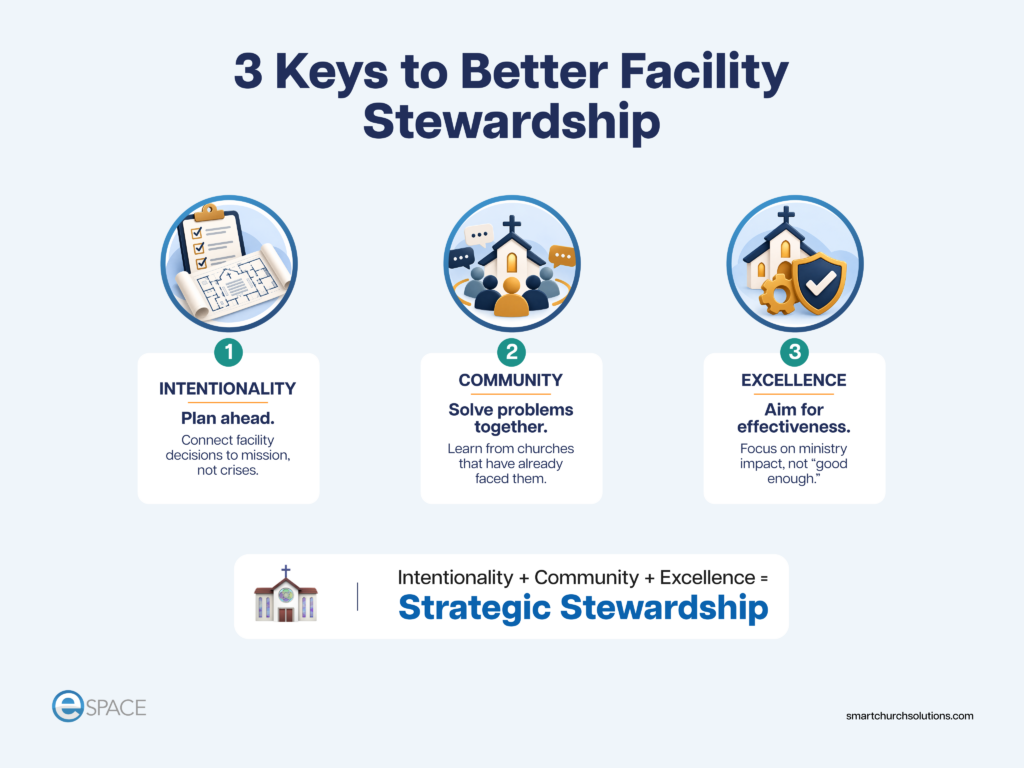
3 Things Churches Need for Better Facility Stewardship
This is really the whole argument of the book in miniature: churches thrive with their facilities not because they have more money or newer buildings, but because they’ve embraced three things together: intentionality, community, and excellence. Intentionality means facility decisions get made strategically, tied to mission, instead of reactively, in a crisis. Community means you stop solving the same problems in isolation that other churches down the road have already solved. And excellence means the standard is ministry effectiveness, not just “good enough to get by.”
The Stewardship Reformation Starts Small
So here’s my honest invitation to you, wherever you’re serving. The stewardship reformation doesn’t need another expert. It needs pastors, board members, facility volunteers, and ordinary church members willing to see the care of a building as a genuine expression of faith rather than a burden to be endured. It might start small: an energy-efficiency upgrade, a volunteer training session, one honest conversation with a neighboring church about a shared vendor. Small wins build the credibility that opens the door to bigger change.
Your Role in the Reformation
If there’s one thread running through every story in this series, it’s that people who step into facility stewardship discover gifts they didn’t know they had. The work builds relationships, advances things that matter, and brings a sense of purpose few people saw coming going in.
Who Will You Call?
If there’s one thread running through every story of successful facility stewardship, it’s that people who step into this work often discover gifts they didn’t know they had. The work builds relationships, advances things that matter, and brings a sense of purpose few people saw coming. You don’t have to be a facility expert to make a difference. You just have to be willing to take the first step, ask questions, learn from others, and faithfully care for what has been entrusted to you.
The next solution your church needs may already exist in another church just down the road. So make the call. Ask another pastor how they handled the HVAC replacement. Ask a facility volunteer what systems have worked for them. Invite another church to share a vendor, compare maintenance plans, or simply talk through a challenge you’re both facing. The stewardship reformation doesn’t begin with having all the answers. It begins when we stop trying to solve every problem alone and start solving them together.
Sometimes, one conversation is all it takes to get started.