

Adapted from Chapter 4 of Equipped, “What If Facilities Were Our Greatest Ministry Asset?”
What if your building wasn’t your biggest problem, but your greatest opportunity?
Sarah Rodriguez was three months into her role as operations director at Riverside Community Church when she asked the question that reframed everything: “What if our building wasn’t our biggest expense, but our greatest asset?”

The question came during a tense board meeting where, once again, the primary agenda item was a facility crisis. This time it was the children’s wing HVAC system, which had failed on the hottest Sunday of the year, leaving two hundred kids and volunteers sweltering through Sunday school. The repair estimate was $8,000, and the board was debating whether to fix it properly or bandage it through another summer.
“We do this every month,” Sarah observed quietly. “We sit around this table and talk about our building like it’s some kind of expensive burden we’re stuck with. But what if we flipped the script? What if instead of asking ‘How much is this going to cost?’ we started asking ‘How can this serve our mission?’”
The room fell silent. The board chairman leaned forward. “What do you mean?”
“I mean,” Sarah continued, “what if we managed our facility like the strategic ministry asset it actually is? What if every decision we make about this building starts with the question ‘How does this advance our mission to make disciples and serve our community?’”
That conversation set Riverside on a new path. More importantly, it reveals the mindset shift that separates churches trapped by their facilities from churches empowered by them.
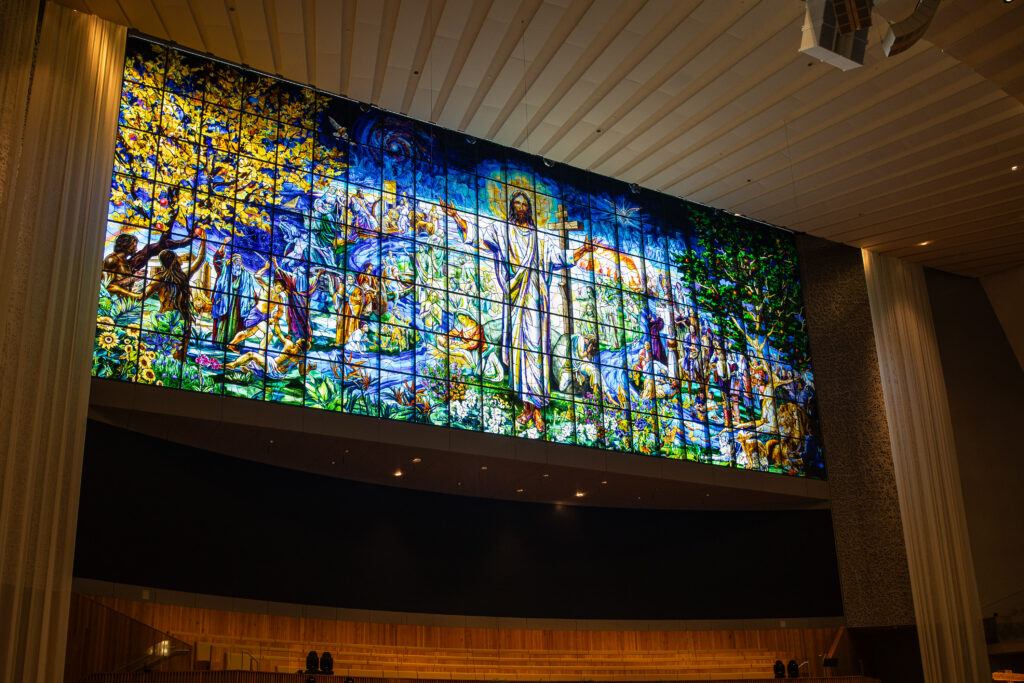
Your Church Facility Is More Than an Expense
What separates churches that thrive with their facilities from churches that struggle isn’t money, building age, or construction quality. It’s perspective. Churches that excel at facility stewardship have made one fundamental mindset shift: they see their buildings not as necessary burdens but as strategic ministry assets.
This reframe isn’t just positive thinking. It’s biblical stewardship. When we view church facilities through the lens of the parable of the talents in Matthew 25, we begin to understand that our buildings are resources entrusted to us for ministry. The faithful steward doesn’t bury the talent in the ground. The faithful steward invests it for maximum return.
I’ve come to describe two mindsets I see in churches everywhere.
The Burden Mindset Is Costing Churches More Than Money
Churches trapped in the burden mindset share common traits: facility decisions are driven primarily by cost minimization; maintenance is viewed as a necessary evil rather than an investment; conversations about buildings focus on problems rather than possibilities; and success is measured by how little money is spent on the building.
This mindset creates a self-fulfilling prophecy. When you treat your facility like a burden, it behaves like one. Deferred maintenance leads to emergency repairs. Neglected spaces become uninviting. The building meant to support the ministry begins to hinder it.

What Changes When You See Your Facility as a Ministry Asset
Churches that embrace the asset mindset operate differently: facility decisions are driven by mission advancement; maintenance is viewed as an investment in ministry capacity; conversations focus on opportunities; and success is measured by ministry impact.
This mindset creates a self-fulfilling prophecy too, but in a positive direction. Well-maintained facilities attract guests and draw in the community. Strategic investments multiply ministry capacity. The building becomes a tool for kingdom advancement rather than an obstacle to overcome.
From Facility Stewardship to Ministry Impact
The journey from burden to asset begins with a single question, the same one Sarah asked her board:
What if our facility wasn’t our biggest problem but was instead our greatest opportunity?
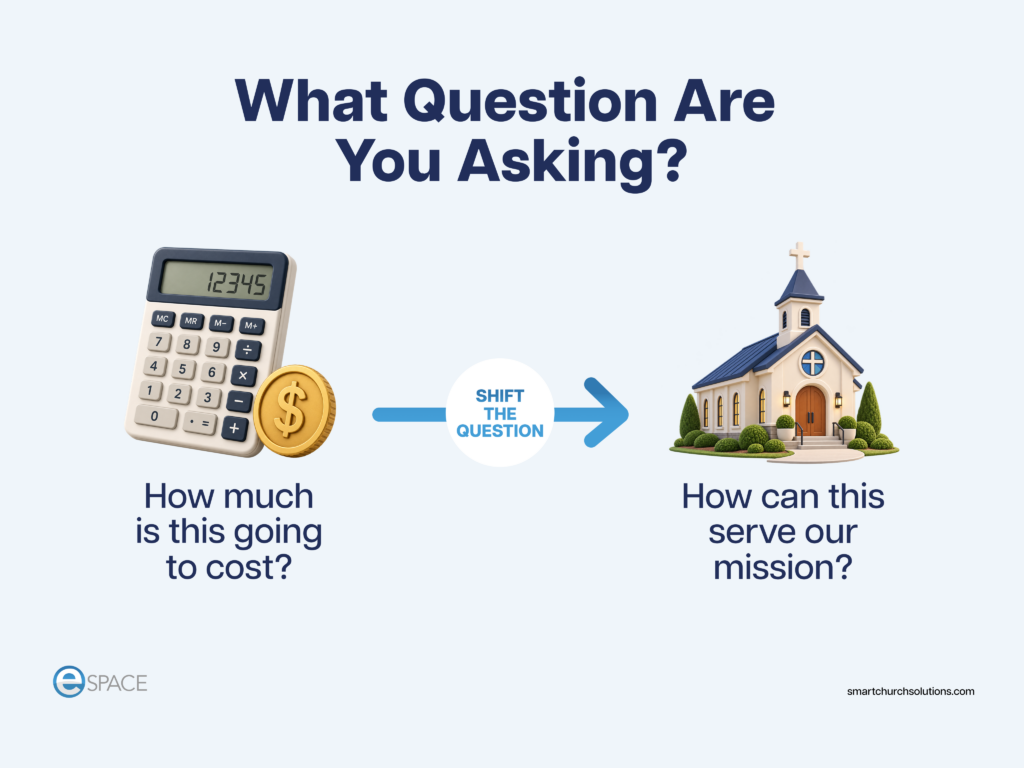
That’s what this reformation is about. Excellent facility stewardship doesn’t drain resources from ministry. It multiplies resources for ministry.
But that transformation doesn’t happen on its own. It takes intentional leadership, clear strategy, and a sustained commitment to excellence. Most of all, it takes leaders who help others see possibilities where they’ve only ever seen problems.
What Mindset Is Your Church Living Out?
So here’s a question worth bringing to your own board table this month: Which mindset is your church currently living out, burden or blessing? And what’s the evidence?