
Are you leaving money on the table by not monetizing your church facility? Data from over 1,000 churches reveal that nearly half are already generating revenue through facility rentals, but the other half are missing significant opportunities for stewardship and sustainability.
Here’s what the data shows about church facility rentals, why billing matters, and how churches can responsibly monetize their spaces while maintaining their ministry mission.
The Data: Nearly Half of Churches Are Billing for Facility Use
Key Statistics from 1,048 Churches
The data set includes 1,048 churches using event scheduling software, and 424–425 of those churches have billing enabled, representing approximately 40–41% of the total. In practical terms, this means that nearly half of the churches in the data are actively using billing and invoicing to rent portions of their facility and generate revenue from their spaces.
The Opportunity Gap
If 40-41% are billing, that means 59-60% are not. This represents hundreds of churches potentially:
- Opening facilities to outside groups without cost recovery
- Absorbing wear and tear without compensation
- Missing opportunities to offset facility expenses
- Leaving money on the table that could fund the ministry
Why Churches Should Consider Facility Rental Revenue
The Budget Shortfall Reality
Most churches operate under constant financial pressure. Budget shortfalls can limit ministry effectiveness, staffing shortages can affect facility operations, and rising operational costs often outpace growth in giving. At the same time, deferred maintenance frequently accumulates because there simply aren’t enough resources to address every need.
When churches allow outside groups to use their facilities without any form of cost recovery, the financial burden shifts entirely to the congregation. The same tithers and givers who already support ministry programs, staffing, facility maintenance, utilities, and outreach efforts also subsidize the additional use of the building. Over time, this can place unnecessary strain on both the church budget and the people who faithfully support it.
The Community Partner Argument
There is a valid case for allowing free use of the facility. Partnering with organizations that share your church’s mission, vision, and values can strengthen community relationships and demonstrate generosity. Churches often provide space at no cost to nonprofit organizations aligned with their values, community service groups, recovery programs, and educational initiatives that serve the surrounding community.
Even in these situations, however, it can be reasonable to charge modest fees to cover direct costs associated with the additional use. These may include additional insurance riders, increased utility consumption, additional cleaning requirements, and accelerated wear and tear that comes with more frequent facility use. Charging nominal fees for these expenses helps maintain responsible stewardship while still supporting meaningful community partnerships.
The Stewardship Perspective
When you provide free facility use, you’re not accounting for:
- Additional wear and tear on buildings
- Extra utility costs (HVAC, lighting, water)
- Increased cleaning requirements
- Staff time for coordination and setup
- Accelerated equipment deterioration
- Liability insurance needs
Good stewardship requires understanding the true cost of facility use and ensuring those costs are covered appropriately, whether through the church budget or user fees.

Understanding the Full Value of What You’re Providing
It’s Not Just Space
Many churches think too narrowly about what they’re monetizing. Facility rental includes:
Physical spaces:
- Sanctuary or worship center
- Fellowship halls and multipurpose rooms
- Classrooms and meeting rooms
- Commercial kitchens
- Gymnasiums or recreation areas
- Outdoor spaces and parking lots
Services and support:
- Sound technicians for events
- Set-up and breakdown crews
- Computer and technology support
- Audio/visual/lighting (AVL) services
- Custodial services pre- and post-event
- Security and facility oversight
Resources and amenities:
- Tables, chairs, and equipment
- Kitchen facilities and appliances
- Coffee and beverage services
- Catering capabilities (if available)
- Parking lot access
- Wi-Fi and connectivity
Calculating True Cost
To price appropriately, consider:
- Square footage being used
- Duration of use
- Set-up and breakdown time
- Cleaning requirements
- Utility consumption
- Staff time required
- Equipment wear
- Insurance implications
The Market Rate Requirement
Why Pricing Matters for Tax Purposes
When a church monetizes facility use, certain portions of the building may be subject to taxation depending on how the space is used. Because of this, it becomes important to carefully document both usage and revenue.
This means accurately tracking facility use through your event scheduling system, properly recording charges through billing and invoicing, and maintaining detailed records of rental activity. With clear documentation, churches can report rental income accurately and ensure they meet any tax obligations related to the use of their facilities.
The Market Rate Rule
You must charge close to the market rate for your area. Here’s why:
If you significantly undercut market rates:
- You create unfair competition with commercial venues
- Tax authorities may question your practices
- You undermine the commercial rental market
- Your nonprofit status could face scrutiny
Research competitive pricing:
- Event venues in your area
- Community centers and meeting spaces
- Other churches that rent facilities
- Commercial conference rooms
Price at or near market rate to:
- Maintain tax compliance
- Demonstrate fair competition
- Justify actual costs
- Ensure sustainability
You Don’t Have to Break Even
Cost recovery does not mean a church is trying to maximize profit. In many cases, the goal is simply to cover the additional expenses that come with the facility’s outside use.
For example, a church might explain that a fee helps cover added insurance riders required for outside groups. Another approach is to position rental fees as a means to offset the ongoing wear and tear on the building, so the facility can continue to serve both the congregation and the community. Fees may also help cover practical operational costs, such as utilities and cleaning associated with an event.
These are reasonable expectations. Most people understand that using a space comes with real costs, and modest fees that reflect those costs are generally accepted and appreciated for the transparency they provide.
Overcoming Objections to Facility Rental Fees
“We Want to Be a Blessing to the Community”
Churches often hesitate to charge for facility use to remain generous toward their community. That instinct is admirable, but practicing good stewardship and blessing the community are not mutually exclusive. Modest fees that cover real costs do not prevent ministry—they help sustain it.
Many churches address this balance by creating flexible pricing structures. This might include sliding-scale fees based on the type of organization, reduced rates for nonprofits that align with the church’s mission, or scholarships and fee waivers for specific circumstances. At the same time, charging full market rates for commercial or for-profit use ensures the church is not subsidizing private business activity with congregational resources.
“We’re Not Sure How to Set Pricing”
Many churches hesitate to begin renting their facilities because they aren’t sure how to determine appropriate pricing. Fortunately, a little research can remove much of the guesswork. Start by looking at what other churches in your area charge for similar spaces. It can also be helpful to review pricing from local event venues or community centers and compare those rates with your own facility’s features and capacity. From there, calculate your actual costs—utilities, cleaning, staffing, and maintenance—and use that information as a baseline. Many churches choose to start with conservative pricing and adjust over time as they gain experience.
Billing and invoicing software can make this process much easier. These systems allow churches to create pricing templates, track rental activity, evaluate real costs over time, and adjust rates in a more systematic and informed way.
“We Don’t Know How to Manage Billing and Collections”
Churches often worry that managing billing, invoices, and payments will create an administrative burden for staff. In the past, that concern was valid. Today, however, modern church facility software removes much of that complexity.
Comprehensive billing systems can automatically generate invoices, process payments securely, and maintain accurate financial records. They also support tax reporting, track outstanding balances, and send follow-up communications when payments are due.
By automating these tasks, the technology eliminates much of the administrative work that once discouraged churches from monetizing facility use, making it far easier to manage rentals consistently and in an organized way.
The Insurance and Liability Question
Inviting outside groups to use your facility can be a great way to serve the community, but it also introduces additional risks that churches should consider carefully. When non-church events take place in your building, the church may face liabilities, including injury claims from participants, property damage caused by users, disputes over the facility’s condition, or other third-party liability issues.
Because of these risks, many churches need additional insurance coverage when their facilities are used by outside organizations. This often includes riders added to an existing policy, increases in umbrella coverage, special event insurance for certain activities, or requirements that renters provide a certificate of insurance.
Rental fees can help fund these protections. In many cases, churches simply explain that the rental fee helps cover the additional insurance required for the facility’s community use. This approach reflects responsible stewardship while protecting both the church and the people using the space.
Three Critical Questions for Every Church
Question 1: Why Not?
Your facility is a valuable resource. Are you treating it as such?
Consider:
- The investment your congregation made in the building
- The ongoing costs to maintain it
- The wear and tear from use
- The opportunity to extend its ministry impact
If you’re not monetizing facility use, what’s preventing you?
- Lack of knowledge about how to bill?
- Concerns about seeming ungenerous?
- Uncertainty about pricing?
- Administrative burden worries?
Most of these barriers can be overcome with proper systems and shifts in perspective.
Question 2: What Can You Monetize?
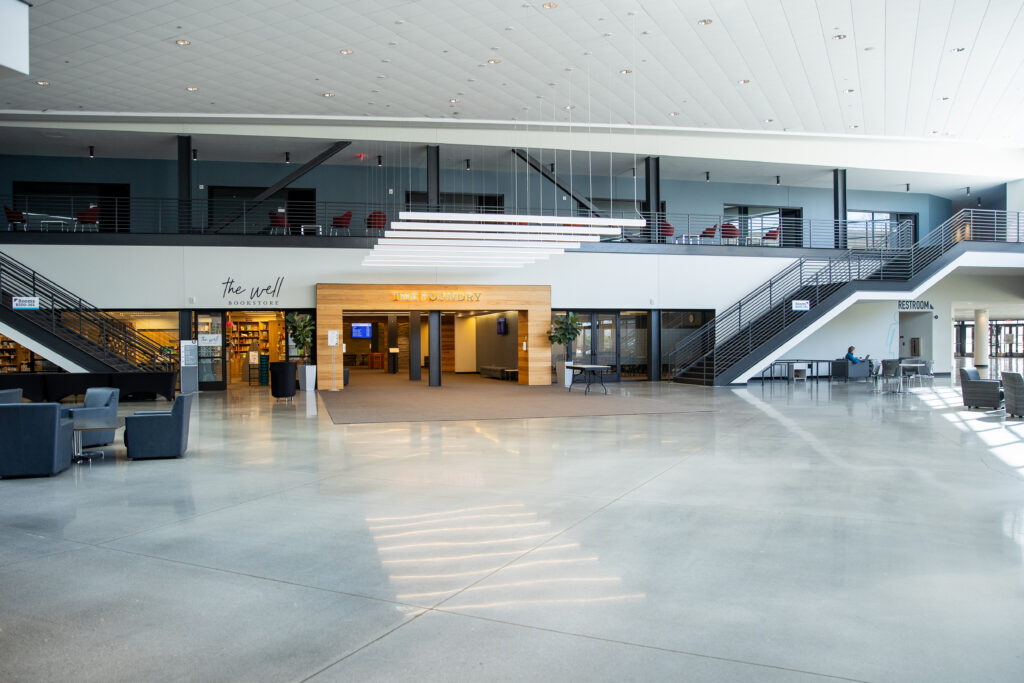
Don’t limit thinking to just room rentals. Expand your perspective to include:
Spaces:
- Individual rooms
- Multi-room packages
- Entire facility rentals
- Outdoor areas
- Parking lot access
Services:
- Technical support
- Set up and breakdown
- Custodial services
- Security presence
- Coordination and planning
Resources:
- Equipment rental (tables, chairs, AV)
- Kitchen facility use
- Appliance access
- Wi-Fi and technology
- Coffee and beverage service
- Catering (if you provide it)
Each represents revenue potential that can cover costs and sustain the ministry.
Question 3: What’s Preventing You from Starting?
You can always stop, but you have to start to find out whether facility rental revenue works for your church.
The exploration process:
- Research pricing in your area
- Calculate your actual costs
- Create simple pricing structures
- Implement billing systems
- Test with a few rentals
- Evaluate and adjust
You’re not committing permanently by exploring facility rental revenue. You’re exercising responsible stewardship by understanding your options.
To stop monetizing, you first have to start. Not exploring it means potentially ignoring a viable way to:
- Maintain your facility intentionally
- Cover additional wear and tear
- Fund necessary staffing
- Recover expenses from external use
- Redirect the member giving to the direct ministry
How Billing and Invoicing Work in Practice
Comprehensive Tracking Capabilities
Modern church facility software makes it much easier to manage rentals by organizing billing, payments, and records in one place. Churches can set up billable items such as room rental rates, equipment charges, service fees, and package pricing, and define whether spaces are billed hourly or by the day.
These systems also support flexible product management. Churches can create one-time charges, set up recurring fees, require deposits, and establish clear cancellation policies. When a facility is booked, invoices can be generated automatically using customizable templates that provide a professional look and include detailed line items for each charge.
Payment processing is built directly into the system, allowing renters to pay securely online via credit cards or ACH transfers. Some platforms also support payment plans and automatically generate receipts for completed transactions.
Behind the scenes, the software maintains a complete record of every transaction. Churches can view payment status, track outstanding balances, access historical records, and generate the data needed for tax reporting, all while maintaining a clear audit trail of financial activity.
Integration with Event Scheduling
The real power of modern church facility software lies in connecting billing directly to event scheduling. When these systems are integrated, the entire process becomes seamless.
When someone books your facility, the event is automatically placed on the calendar, an invoice can be generated from the booking details, and payment can be processed through the same system. As transactions occur, financial records update automatically, and reporting reflects the activity in real time.
There is no need for double entry or disconnected spreadsheets. Everything works together in one system, giving church staff clear visibility into both facility usage and the financial activity tied to it.
Available on Ultimate and Enterprise Tiers
For churches using event scheduling software, billing and invoicing functionality typically includes:
- Full invoice management
- Payment processing integration
- Comprehensive reporting
- Custom pricing structures
- Automated reminders and follow-ups
The investment pays for itself through recovered costs and reduced administrative burden.
The ROI of Facility Rental Revenue
Quantifying the Impact
Even a modest facility rental program can produce meaningful results. Consider a simple example: a church hosts just two rentals per month with an average fee of $200 per event. Over the course of a year, that adds up to approximately $4,800 in additional revenue.
That amount can easily cover practical facility-related expenses such as additional insurance riders, extra cleaning costs, increased utility usage, or small repairs caused by normal wear and tear. In other cases, the revenue could support ministry priorities such as youth ministry supplies, mission initiatives, a building maintenance reserve, or additional resources for ministry staff.
While the numbers may start small, the impact can be significant when recovered dollars are redirected to sustain the church’s facility and expand its ministry.
The Stewardship Multiplication Effect
Facility rental revenue does more than simply generate additional income. It demonstrates responsible stewardship of the resources the congregation has already invested in the building. When spaces are used more intentionally, churches can maximize building utilization while also strengthening relationships with organizations and groups in the community.
Over time, this approach can contribute to a more sustainable model for facility operations. Recovering costs from outside use helps reduce the financial burden placed solely on member giving, allowing more of the church’s regular contributions to support direct ministry efforts.
Every dollar recovered from responsible facility use is a dollar that can be redirected toward the church’s mission.
Conclusion: Don’t Leave Money on the Table
The data set reveals that close to half of churches are already monetizing their facilities through rentals, but that means more than half are potentially missing significant opportunities.
Your church facility represents:
- Significant capital investment
- Ongoing operational costs
- Valuable community resource
- Ministry multiplication potential
Responsible stewardship requires understanding the true cost of facility use and ensuring those costs are appropriately covered, whether through church budget allocation or user fees.
Billing and invoicing aren’t about profit maximization. They’re about:
- Cost recovery for sustainability
- Proper maintenance funding
- Liability protection
- Community partnership on fair terms
- Ministry resource multiplication
Three action steps to consider:
- Evaluate: Research what other venues charge and calculate your actual costs
- Implement: Set up billing systems that make management easy
- Start: Begin with a few rentals to test and refine your approach
You can always stop monetizing facility use, but you have to start by finding out whether it works for your church. Not exploring the opportunity means potentially leaving money on the table that could fund ministry, maintain facilities, and extend your church’s impact. It’s all fun and games until you leave money on the table and walk away. Don’t miss the opportunity to practice good stewardship while blessing your community through responsible facility sharing.
Quick Decision Framework
Should your church monetize facility rentals?
Consider “Yes” if:
- You regularly host outside groups
- Budget constraints limit the ministry
- Facility maintenance is deferred
- Staff is stretched thin
- Insurance costs concern you
- Community demand exists
Start with billing if:
- You want to recover actual costs
- You need better tracking
- Tax compliance matters
- You desire sustainability
- You value stewardship accountability
Implement a full rental program if:
- Market demand is strong
- Facilities are underutilized
- Revenue could fund the ministry
- Systems can support management
- Leadership supports the vision