

Choosing the right facility management software for your church is crucial for effective stewardship, but with so many options available, the decision can feel overwhelming. While it may seem like there’s a wide variety of products that could work, surprisingly few are specifically designed for church facilities and their unique operational rhythms.
The Golden Rule: The Best Software is the One You’ll Actually Use
Before diving into specific platforms, remember this fundamental truth: the most effective software for your organization is the one you’ll consistently populate with data. It doesn’t matter how many bells and whistles a system has—if you don’t input information, you won’t get usable output.
When evaluating any facility management software, ask yourself:
- Will I actually take the time to set this up properly?
- Can I commit to regularly maintaining the data?
- Does this fit my church’s workflow and culture?
Church-Specific Facility Management Software
For churches looking for solutions designed with their unique needs in mind, church-specific facility management software can be a game-changer. These platforms are built to handle the rhythms of worship schedules, ministry events, and volunteer coordination—features often missing in commercial tools. Below is a comparison of two leading church-focused options.
eSPACE
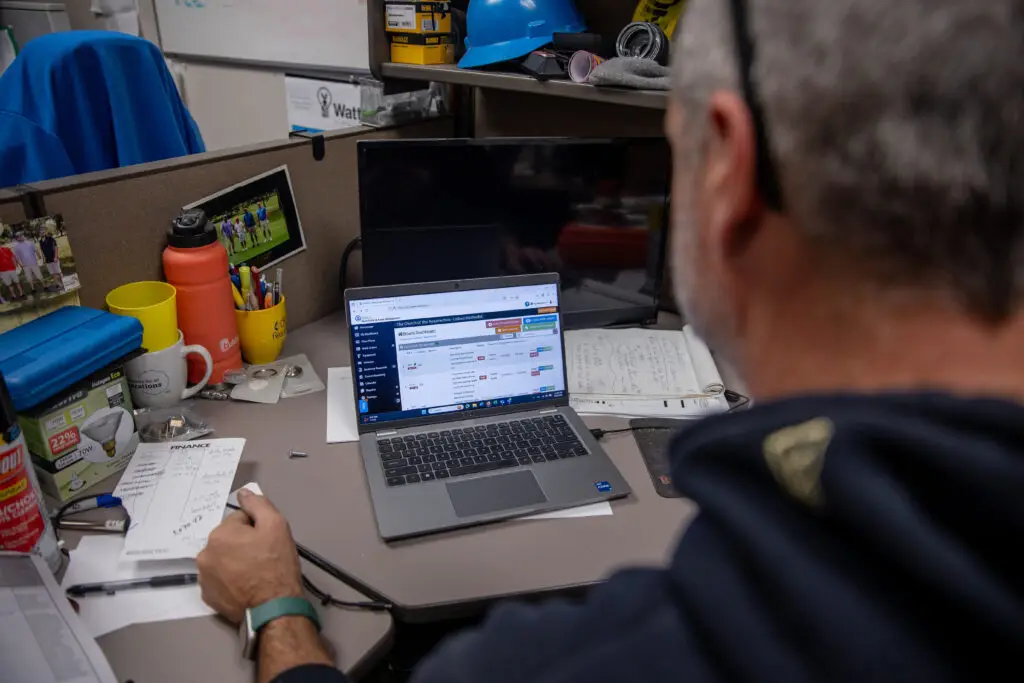
For churches that need a robust, purpose-built solution, eSPACE offers a comprehensive platform designed specifically for the unique operational flow of church facilities.
- Best for: Churches seeking comprehensive facility management with church-specific features
- Key Features:
- Purpose-built for church facilities and their unique operational flow
- Scalable complexity—start simple and add features as needed
- Unlimited user seats (no per-user pricing increases)
- Comprehensive work order management
- Event scheduling and space management
- Strong customer support team
- Pros: Church-specific design, grows with your organization, excellent support
- Cons: May be overkill for very small, volunteer-run churches
Why eSPACE Stands Apart
What truly sets eSPACE apart is not only its church-specific functionality but the stewardship philosophy behind it. Our team isn’t just software support; we are like-minded stewards who understand the ministry impact of well-maintained, well-managed spaces. This means churches don’t just get a tool—they get a partner committed to helping them care for the spaces God has entrusted to them.
Facility Tree
For churches seeking a trusted, established platform, Facility Tree has a long history of supporting church facilities and ministry operations, with strong connections to the broader church facilities community.
- Best for: Churches wanting established church ministry support
- Key Features:
- Long-standing supporter of church facility management
- Active in the National Association of Church Facilities Managers
- Church-focused feature set
- Pros: Strong church community connections, established in the market
- Cons: Limited information available on current feature set
Commercial Facility Management Software (Church-Compatible)
While many commercial facility management platforms are designed for schools, office buildings, or other organizations, some can be adapted for church use. These solutions often offer powerful features, robust reporting, and scalability, but they may require some customization to fit the unique rhythms and needs of a church facility.
FMX
A user-friendly CMMS that provides churches with robust tools for managing maintenance, work orders, and facility operations efficiently.
- Best for: Churches wanting commercial-grade facility management
- Key Features:
- Well-established product with a strong market presence
- Primarily serves schools and commercial buildings
- Backed by a well-funded company with significant growth
- Comprehensive facility management capabilities
- Pros: High-quality software, strong funding and growth, extensive feature set
- Cons: Primarily designed for schools and commercial buildings; may require adaptation for church-specific needs
Brightly (Formerly Dude Solutions)
A highly customizable platform designed to handle complex facility management needs, making it ideal for organizations with advanced operational requirements.
- Best for: Organizations needing deep, complex facility management
- Key Features:
- Very deep, feature-rich software platform
- Extensive customization capabilities
- Can be scaled to match organizational needs
- Comprehensive maintenance and asset management
- Pros: Extremely powerful and customizable; can handle complex requirements
- Cons: May be overly complex for typical church needs; requires significant setup and training
General Software Often Misused for Facility Management
Some churches try to use general-purpose tools for facility management, but these platforms are not designed to handle maintenance, work orders, or long-term facility oversight. While they may serve specific functions well, relying on them for full facility management can lead to inefficiencies and frustration.
- Planning Center
- Best for: Event management and volunteer coordination (NOT facility management)
- Strengths: Excellent at managing events and volunteer flow
- Limitations: Not designed for scheduling or work order management
- Verdict: Use it for its intended purpose, but not as a complete facility management solution
- The Rock
- Best for: Church management systems (with limited facility features)
- Strengths: Solid general church management platform
Limitations: Often misused for facility management tasks it wasn’t designed to handle - Verdict: Good church platform, but don’t try to shoehorn it into facility management
- EMS (Event Management System)
- Current Status: Questionable market viability
- Historical Use: Many churches used EMS Lite because it was free
- Verdict: “Making do” isn’t always good stewardship—evaluate whether free tools actually cost more in lost efficiency
Budget-Friendly and Alternative Options
For churches that are cost-conscious or have tech-savvy volunteers, there are affordable or modular alternatives that can handle basic facility management tasks. While these options may lack church-specific features, they can be effective for smaller teams or organizations willing to invest time in setup and customization.
Odoo
Free option and unlimited users make it appealing for organizations willing to invest time in setup and customization.
- Best for: Tech-savvy churches wanting modular, free options
- Key Features:
- Modular approach—pick only what you need
- Free option with unlimited users for single apps
- Includes maintenance tracking modules
- Supply chain management capabilities
- Pros: Free, unlimited users, modular design
- Cons: Not church-specific, requires technical setup, limited church-focused support
Critical Evaluation Factors
1. Pricing Structure: Initial vs. Recurring Costs
Many software platforms start affordably but costs escalate quickly:
- Per-user pricing: Starts cheap but multiplies as you add staff and volunteers
- Flat-rate pricing: More predictable, often better for growing organizations
- Free trials: Helpful for evaluation, but consider long-term costs like upgrades for needed features
2. Support and Training
Ask these questions about every platform:
- What level of customer support is available?
- Will you be forced through AI chatbots, or can you speak with humans?
- Do they offer training and onboarding assistance?
- How do they handle technical issues and questions?
3. Scalability and Growth
- Can the software grow with your church?
- What happens when you need additional features?
- How easy is it to add complexity without starting over?
4. Cultural Fit
Don’t try to force a square peg into a round hole:
- Does the software match your church’s operational style?
- Can your staff realistically learn and use this system?
- Does it integrate with your existing church management systems?
Church Management Systems vs. Facility Management Systems
The Hybrid Approach Challenge
Many churches try to use their church management systems (like Breeze, ACS, or Shelby Systems) for facility management. While these platforms often include basic scheduling modules, they’re primarily designed for:
- Member management
- Attendance tracking
- Communication and ministry coordination
The Problem: Using attendance-focused software for facility stewardship often leads to compromised functionality in both areas.
The Solution: Consider dedicated facility management software that can integrate with (not replace) your church management system.
Making the Right Choice for Your Church
For Small, Volunteer-Run Churches
- Simple solutions may suffice (even whiteboards and post-it notes in some cases)
- Free or low-cost options like basic modules from Odoo
- Focus on whatever system you’ll actually maintain
For Medium-Sized Churches
- Church-specific solutions like eSPACE or Facility Tree
- Balance between features and complexity
- Consider scalability for future growth
For Large Churches
- Commercial-grade solutions like eSPACE are the best options. Here is a list of large-scale church stewards that use eSPACE.
- Dedicated IT support can handle complex implementations
- ROI justifies higher software costs
Real-World Application: Learning from Experience
One facility manager shared their experience moving from Asana (a project management tool with social media elements) to Microsoft Project. While Asana was less expensive, it created anxiety and didn’t effectively support project planning. Microsoft Project, designed specifically for project management, provided the needed functionality and data visualization for leadership reports.
The Lesson: Purpose-built tools often provide better value than trying to adapt general-purpose software for specific needs.
Key Questions Before Making Your Decision
Before committing to any software, it’s essential to pause and ask the right questions. Consider how the platform will actually function in your church’s day-to-day operations, whether it meets your real needs, and if it can support your growth over time.
- Will you use it consistently? The best software is worthless if it sits empty.
- What’s the total cost of ownership? Include training, support, and scaling costs.
- Does it solve your actual problems? Don’t get distracted by features you don’t need.
- Is support available when you need it? Consider your technical comfort level and available resources.
- Can it grow with your church? Avoid solutions you’ll quickly outgrow.
Conclusion: Choose Purpose Over Price
While cost is always a factor, remember that inadequate software often costs more in lost efficiency than investing in the right solution from the start. The goal isn’t to find the cheapest option—it’s to find the most effective tool for your church’s facility stewardship.
Whether you choose a church-specific platform like eSPACE, a commercial solution like FMX, or a budget option like Odoo, ensure it matches your church’s culture, capabilities, and commitment level. The best church facility management software is the one that becomes an integral part of your stewardship practice, not a burden you avoid using.
Take time to evaluate your options thoroughly, including free trials where available, and don’t be afraid to invest in tools that will genuinely improve your facility management effectiveness. Your ministry—and your facility—depend on making the right choice.